


Parasocial Relationships and How They Can Negatively Impact Online Creators
- L.Ramos
- Nov 1, 2022
- 3 min read
I had this friend...
For the educational purpose of this article, we’ll call her “Sue”.
We started chatting online occasionally (often one-sided with them initiating and telling me all the things) and saw each other at local events/parties enough to be considered as..friends. They were a fan of my music, podcast and writing, with a later realization that they were as much of a fan of my entire day-to-day life following my online activities a little too close for comfort.
Sue would start to contact me almost daily and interactions started becoming uncomfortable the more I got to know them. I noticed the increase in lengthy messaging, tags/mentions, constant replies to my Social Media posts and stories, and even often asking to meet up by way of bribes. Sue made up stories to try and get a response or reaction from me. The most concerning part is having heard from others how often I would be mentioned in their own conversations with her and be referred to as “like a brother” to Sue.
My heart sank whenever I would see notifications from Sue. It made me hate checking my phone. I eventually tried establishing some firm boundaries, but these requests have been completely ignored time after time.
I was a target of a Parasocial Relationship… and it sucked!

What is a Parasocial Relationship and how does it develop?
Parasocial relationships are one-sided relationships developed by a person often with their favorite celebrities, YouTubers, influencers or streamers.
They expend plenty of emotional energy and attachment to this figure or persona the other person has, who in turn is not aware of the same type of connection.
Parasocial Relationships can be very harmful to both sides. With influencers (especially women) being uncomfortable with the overload of unwanted interaction. Always feeling the pressure to respond and in some cases, even dealing with stalking.
While on the enabler’s end; the feeling of anxiety and rejection when the other person doesn’t give them the same type of attention back.
How it’s evolved and why smaller creators have it worst
Even though Parasocial relationships are far more common with bigger named celebrities, it is much harder to navigate through for those with a smaller following.
Creators who make a living off fan donations, merch, or streams rely on this type of support. So it isn’t as easy to just ignore a person and deny their services if they seem to get a little close for comfort. Furthermore, social media algorithms perform way better when one was to share:
Mentioning their personal struggles that can be relatable.
Opening up about their mental health
Showing off parts of their house, families, or pets as part of their content.
Sharing stories by tagging loved ones.
Posting about their vulnerable moments and going on Livestream to publicize them.
If someone DM’s their favorite mainstream actor or musician, there’s no expectation of them returning it with a reply. However, for public figures with only a decent audience, it’s expected that we engage with all our fanbases so that the algorithms can be in our favor.
While it can be seen as smug or rude by some by leaving them on “seen”.
Because we should have all the time to respond to everyone if we have less than 50k subs/followers right?
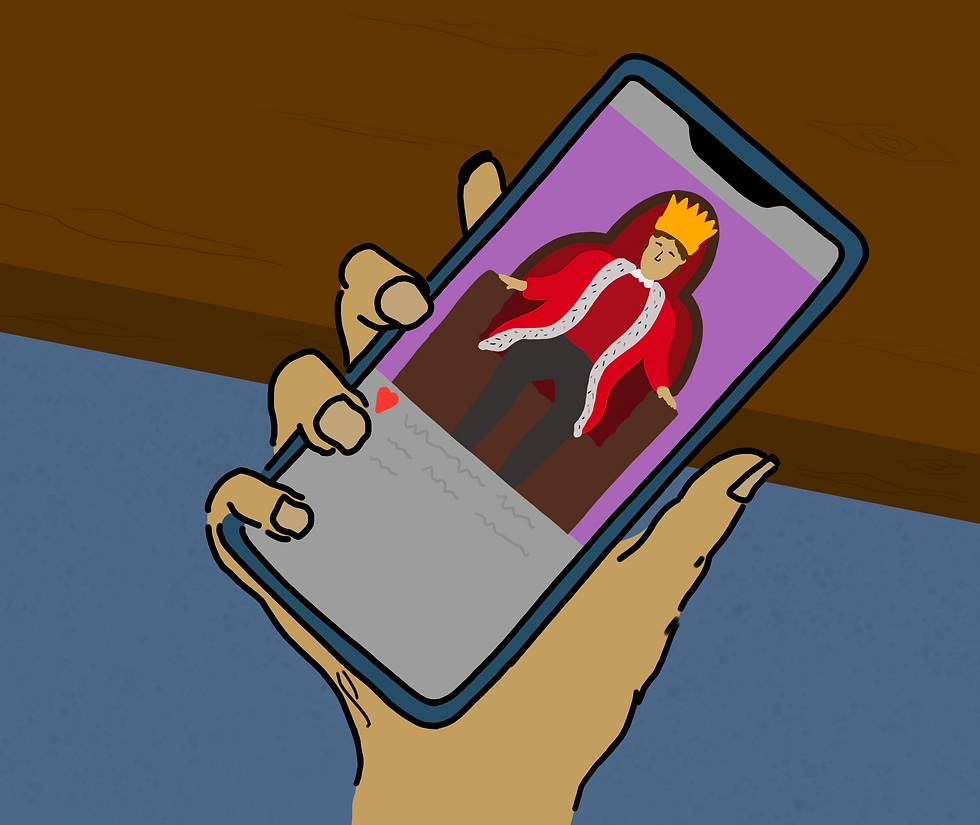
Understanding the nature of Parasocial Relationships
By no means should we think the person enabling this type of relationship is being malicious on purpose, for they may not even be aware they are doing it! For myself, I was more concerned for the person’s well-being while also understanding that engaging only encourages them more.
Being on lockdown the last few years has created loneliness and separation for everyone, but some more than others.
Many have relied on companionship from their favorite streamers, YouTubers, or social media personalities. Therefore, stream viewers and content like reaction videos have performed quite well in the last couple of years.
They played a very important role in entertainment where online communities can gather, and these are mostly very positive during this long period we were disconnected from real life.
Tips on navigating through them
The best case is to set rock-solid boundaries with the fan or admirer such as:
Slowly lessen your communication and responses with them
Restrict their privileges and access to you
DO NOT encourage them. A sale is not worth it if it disrupts your safe space!
With these actions, they’ll hopefully get the hint that you are not looking for the same type of connection they expect. If all else fails, you can also just unfollow or block them to save yourself the headache in the long run. As brutal as that may seem, it’s more hurtful the longer we unintentionally keep leading them on.


Comments